
How to Wash Delicate Clothes at Home Without Damaging Them
Delicate clothes look beautiful, feel soft, and often require more care than everyday garments. Silk sarees, chiffon, lace, satin, wool, embroidery, and other fine fabrics can easily lose their softness, colour, shape, or texture when washed incorrectly.
Have you ever washed a favourite delicate dress only to find that it feels rough, looks faded, or has lost its original shape? The problem may not be the fabric itself—it could be the washing method, water temperature, detergent, or excessive rubbing.
This is exactly why knowing how to wash delicate clothes at home is important. With the right washing technique and a suitable delicate fabric wash, you can clean your favourite garments while giving them the gentle care they need.
⚡ Quick Answer
The safest way to wash delicate clothes at home is to first check the care label, separate them from rough fabrics, use cold or lukewarm water, choose a mild delicate fabric wash, avoid vigorous scrubbing and wringing, and dry them carefully away from excessive heat and direct sunlight.
Why Delicate Clothes Need Extra Care
Unlike everyday cotton or synthetic clothes, delicate fabrics can be more sensitive to friction, heat, and strong cleaning products.
Here are some common problems caused by improper washing:
- Colour fading: Strong detergents or unsuitable washing methods may affect fabric colours.
- Loss of softness: Harsh cleaning products can make some fabrics feel rough.
- Shape changes: Hot water and aggressive wringing can affect the shape of garments.
- Fibre damage: Excessive rubbing can put unnecessary stress on fine fibres.
- Fabric shrinkage: Certain natural fabrics may shrink when exposed to unsuitable temperatures.
This is why delicate clothing should be treated differently from heavily soiled everyday laundry.
How to Wash Delicate Clothes at Home
Here’s a simple step-by-step method you can follow.
1. Check the Care Label First
Before putting any delicate garment into water, check its care instructions.
Look for instructions such as:
- Hand wash only
- Cold water wash
- Do not bleach
- Do not wring
- Dry in shade
- Dry clean only
If the garment is specifically marked “dry clean only,” follow the manufacturer’s recommendation rather than attempting a home wash.
2. Separate Delicate Garments
Don’t wash delicate clothes together with jeans, towels, heavily soiled garments, or other rough fabrics.
Friction between different fabrics can cause unnecessary wear.
It’s better to separate clothes according to:
- Fabric type
- Colour
- Washing instructions
- Level of dirt
This simple step can help reduce colour transfer and fabric damage.
3. Choose the Right Fabric Wash
The cleaning product you use makes a significant difference.
Regular laundry detergents may be designed for everyday clothes and tougher cleaning. Delicate garments need a gentler approach.
A good delicate fabric wash should be suitable for fine fabrics and help remove everyday dirt without unnecessary harsh treatment.
Always follow the recommended quantity on the product label. Using more detergent does not automatically provide better cleaning.
What to Look for in a Delicate Fabric Wash
| What to Check | Why It Matters |
| Gentle cleaning | Helps clean delicate garments without excessive stress |
| Suitable for delicate fabrics | Designed with finer fabrics in mind |
| Easy rinsing | Helps reduce detergent residue |
| Recommended dilution | Makes the product easier to use correctly |
| Suitable for regular care | Useful for maintaining frequently worn delicate garments |
4. Use the Right Water Temperature
Water temperature can have a major effect on certain fabrics.
For many delicate garments, cold or lukewarm water is a safer option than very hot water. However, always follow the garment’s care label because different materials have different requirements.
Avoid using very hot water unless the garment specifically permits it.
5. Soak and Wash Gently
Fill a clean bucket or basin with the recommended amount of water and add the appropriate quantity of fabric wash.
Place the garment into the solution and gently move it through the water.
Avoid:
- Hard scrubbing
- Brushes
- Excessive rubbing
- Long unnecessary soaking
- Aggressive handling
For visible stains, gently work on the affected area rather than scrubbing the entire garment.
💡 Pro Tip for Better Results
Don’t treat delicate clothes like regular laundry. Gentle movement is usually better than aggressive scrubbing. If a stain is difficult to remove, check the garment-care instructions before trying a stronger cleaning method.
6. Rinse Without Rough Handling
After washing, rinse the garment carefully with clean water.
The biggest mistake at this stage is twisting the garment aggressively to remove water. Wet fibres can be more vulnerable to stretching and shape distortion.
Instead, gently press the garment to remove excess water.
7. Dry Delicate Clothes Carefully
Washing is only half of the process. Drying also plays an important role in maintaining delicate fabrics.
For better care:
- Dry garments in a well-ventilated area.
- Avoid excessive heat.
- Keep coloured garments away from strong direct sunlight.
- Follow the care label’s drying instructions.
- Maintain the garment’s natural shape while drying.
Some delicate garments may be better dried flat rather than hung while wet, especially when the fabric can stretch easily.
Common Mistakes to Avoid
Even when you’re using a suitable fabric wash, certain habits can damage delicate clothes.
Using too much detergent: Excess detergent may leave residue and make rinsing more difficult.
Using very hot water: Heat can affect certain fabrics and colours.
Scrubbing too hard: Excessive friction can damage fine fibres.
Wringing clothes: Twisting wet garments can stretch or distort them.
Using bleach without checking: Bleaching products may not be suitable for many delicate fabrics.
Ignoring care labels: Every fabric does not require the same washing method.
Introducing Hedron Delicate Fabric Wash
For people who want to care for their favourite garments at home, choosing a fabric wash specifically intended for delicate clothing can make the washing process easier.
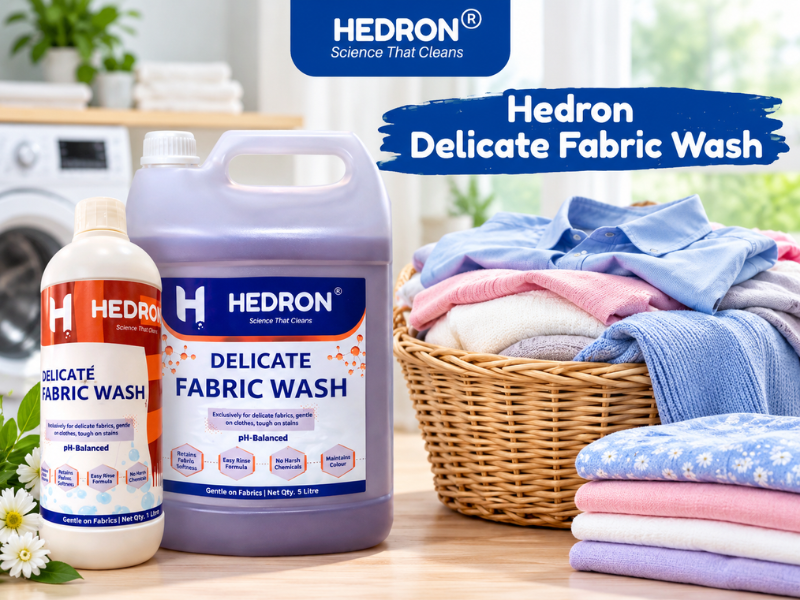
Hedron Delicate Fabric Wash is designed for gentle fabric care, making it suitable for garments that require a more careful washing approach.
Instead of treating delicate clothing like regular laundry, using a dedicated fabric wash along with gentle washing practices can help you maintain the look and feel of your favourite garments.
A Simple Routine for Delicate Clothes
You don’t need a complicated routine to care for delicate garments.
Just remember:
Check → Separate → Wash Gently → Rinse → Dry Carefully
This simple approach can help reduce unnecessary friction, heat exposure, and rough handling during everyday garment care.
Final Thoughts
Taking care of delicate clothes at home doesn’t have to be difficult. The key is to avoid treating fine fabrics like regular heavy-duty laundry.
Check the care label, choose a suitable delicate fabric wash, use the recommended water temperature, avoid aggressive scrubbing and wringing, and dry your garments carefully.
With the right product and gentle washing habits, you can give your favourite silk, chiffon, lace, satin, wool, and other delicate garments the care they deserve—right at home.
Because delicate clothes need delicate care.
FAQs
- Can I wash delicate clothes at home?
Yes, many delicate garments can be washed at home when their care label allows hand washing. Always follow the manufacturer’s instructions.
- Which detergent is best for delicate clothes?
A fabric wash specifically formulated for delicate garments can be a suitable option. Always use the recommended quantity mentioned on the product label.
- Should I use hot water for delicate clothes?
Not unless the care label specifically recommends it. Cold or lukewarm water is often preferred for delicate garments.
- Can I scrub delicate clothes to remove stains?
Avoid aggressive scrubbing. Gentle cleaning is generally safer for delicate fibres.
- Should I wring delicate clothes after washing?
No. Avoid strong twisting or wringing because it can stretch or distort wet fabric.
- How should I dry delicate clothes?
Follow the garment’s care instructions. In many cases, drying in a shaded, well-ventilated area away from excessive heat is a gentler option.